


Until the deed records in your buyer’s name, the house is still yours, and so is every burst pipe, kitchen fire or slip on the front steps. A Chino house is never more exposed than in the stretch between listing and closing. Strangers walk through it, rooms sit half packed, and sometimes nobody lives there at all. The only thing standing between those risks and your sale proceeds is your homeowners insurance.
Why Homeowners Insurance Still Matters After You List in Chino
Listing a house doesn’t shrink your risk. It grows it. For the next month or two, your Chino home will have agents opening lockboxes, buyers testing faucets, inspectors climbing into the attic and an appraiser pacing the yard. Each visit is another chance for something to break or someone to get hurt.
Homeowners insurance is built for that stretch. Dwelling coverage pays to fix the house itself if a fire, a burst supply line or a windstorm damages it before closing. Liability coverage responds when a visitor trips on a loose paver and blames you. Personal property coverage protects the furniture and boxes still inside.
None of that changes because a sign went up in the yard. What changes is how the house gets used, and that’s where sellers get tripped up. Coverage written for a family living there full time may treat an empty, staged or partly rented home differently. I ask every seller to read the conditions page of their policy before the first showing, not after something goes wrong.
A review of your homeowners insurance before you list in Chino should cover the dwelling limit, the rules for an empty house and the liability limit. Talking it through takes about twenty minutes and can save you a claim fight later.
Chino homes aren’t cheap to rebuild, either. One widely used home value index put the typical Chino home at $754,273 in data through February 2026. Plenty rides on one policy.
Who Carries the Risk Before Escrow Closes in Chino?
California settled this decades ago in Civil Code section 1662. If the house is destroyed or badly damaged before the buyer gets title or moves in, and the buyer didn’t cause it, you can’t force them to close. They also get back any money they’ve already paid. Once title or possession passes to them, the risk moves to the buyer.
Put plainly, the loss sits with you and your homeowners insurance until escrow closes.
Your sales contract can change that split, so read the clause about damage before closing in whatever agreement you sign. Read it twice.
That’s why your homeowners insurance has to stay active right up to the day the deed records in Chino. Even a gap of a few days could leave you holding a damaged house, a buyer who can walk away and no carrier to pay for repairs.
Possession is the detail I see cause trouble here. If you let the buyer move furniture in early, or you stay on as a renter after closing, the risk picture shifts. Put any early move-in or rent-back in writing, and call your insurance agent so the policy matches who’s actually living there.
What a Vacant Chino House Does to Your Coverage
The movers left on a Tuesday, and the house went quiet. That’s the moment many Chino sellers stop thinking about the policy, and it’s the moment the policy starts paying attention to them.
Homeowners insurance assumes someone lives in the home. Some carriers spell out the limit. A house counts as vacant after 60 consecutive days with no people and no belongings inside, and from then on vandalism, burglary and broken glass aren’t covered. An unoccupied house with furniture still in it is often treated differently from an empty one, so staging can matter for more than looks.
I bought a two-story in College Park from a couple who had already moved away for work. Their house sat empty for most of a summer, and when someone shattered the back slider, the claim fell under the vacancy exclusion. We bought it as it was, glass and all, but that repair came out of their pocket instead of the carrier’s.
Call your carrier before your Chino house sits empty for more than a few weeks. Ask whether they offer a vacancy endorsement or whether you’ll need a separate vacant home policy. Keep the utilities on, have a neighbor pick up flyers off the porch and put a few lamps on timers. Those small habits make an empty house look lived in. They also leave you with a cleaner record if you ever need to file a claim on your homeowners insurance during the empty stretch.
How Showings and Open Houses Change Your Liability
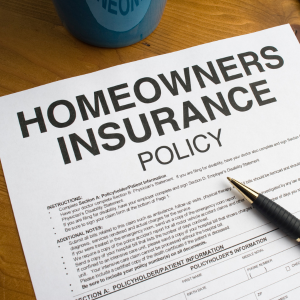
One twisted ankle on a cracked walkway can turn into a claim against you.
During a sale, more people cross your property in a few weeks than in the previous year, and plenty of them are strangers poking around garages and side yards.
The liability portion of your homeowners insurance is what answers that kind of claim. Check the limit on your declarations page. Many owners carry whatever an agent set up years ago and have never looked again. Pool owners, trampoline owners and anyone with a dog that doesn’t love visitors should ask whether the limit still fits. Raising a liability limit or adding an umbrella policy is usually a quick call to your Chino agent. It costs far less than paying a claim out of your sale proceeds.
A few cheap steps cut the odds of a claim. Small fixes matter here. Lock the pool gate, send the dog to a friend’s house during showings, and light the front walk for evening visits. Put away jewelry, prescription medications and anything small enough to fit in a pocket, since personal property limits on valuables can be low.
Ask the listing agent how lockbox access works and whether someone is present for every showing. When Casey Buys Houses buys a house, there’s usually one walkthrough instead of a month of open houses, which takes most of this exposure off the table.
Chino Homeowners Insurance Costs and the FAIR Plan
Carriers have been rough on California property owners for several years, and Chino hasn’t been spared. Plenty of households here have opened non-renewal letters or ended up on the California FAIR Plan, the state’s insurer of last resort.
There’s some relief in the numbers. The state Department of Insurance reported that FAIR Plan growth slowed to 1.9% in the second quarter of 2026. It was the smallest quarterly increase since 2022, and more carriers have committed to writing policies again. That doesn’t mean premiums fell. It means buyers have a little more choice than they did a year or two ago.
Sellers have a stake in this too. Your buyer’s lender will want proof of homeowners insurance before it funds the loan. When the buyer can’t find a carrier for your Chino house at a price they can live with, the sale can stall late in escrow. Older roofs, outdated electrical panels and dry brush near the property line are the usual sticking points.
I tell sellers to ask their own agent one blunt question early on. Would you write a brand new policy on this house today? Any hesitation in the answer is your cue to fix the problem or price it in before you list.
Repairs, Disclosures and Your Policy
Say a pipe bursts in your Chino kitchen during the listing. File the claim and tell the buyer. Hiding it costs far more than fixing it. California sellers fill out a Transfer Disclosure Statement. It asks about known defects and repairs, so a fresh water loss belongs on that form even after the insurer pays to fix it.
Keep every page of the claim file: the adjuster’s report, the contractor’s invoice and photos of the finished work. Chino buyers relax when they can see a repair was handled properly. Vague answers about “some water in the hallway” do the opposite.
Earthquake damage is its own category. Standard homeowners insurance in California doesn’t cover it, and quake coverage comes through a separate policy, commonly written through the California Earthquake Authority. A past quake that cracked a slab or loosened a chimney is a disclosure question more than an insurance one.
One habit costs sellers money every year.
They skip filing a small claim to keep their record clean, then patch the damage themselves without a permit. The patched repair tends to surface during the buyer’s inspection, and it raises more questions than the original leak ever would have.
When to Cancel Homeowners Insurance After a Chino Sale

Only after the deed records in the buyer’s name.
It’s the short answer, and it holds for a family with a loan and a cash buyer alike.
Closing isn’t a single moment. You sign documents, the buyer’s money arrives, the lender pays off your loan, and then the county records the deed. Ask your escrow officer to email you the minute recording is confirmed, and keep the policy active until that email lands.
With that confirmation in hand, call your carrier and cancel your homeowners insurance effective on the recording date. Don’t cancel by simply stopping payments. A formal cancellation request gives you written proof of the end date and starts any refund you’re owed. Our guide to selling a mortgaged house in Chino explains how the mortgage escrow account gets closed out at payoff, which matters when your premium runs through it.
Plenty of Chino sellers move to another home nearby, sometimes with the same carrier. In that case, ask about moving your homeowners insurance to the new address instead of canceling outright. Some carriers will rewrite the policy on the new house and apply the unused premium, which saves a round of paperwork.
Staying in the house after closing under a rent-back flips the roles. The buyer becomes the owner and you become an occupant, so you’ll want a renters policy for your belongings, and the buyer carries coverage on the structure.
How to Get Your Unused Premium Back
Many Chino homeowners insurance policies are paid a year at a time, either directly or through the loan’s escrow account. Sell halfway through the term and roughly half that premium goes unused.
Carriers generally refund the unearned portion of homeowners insurance on a prorated basis once you cancel, though some subtract a small fee. Whoever paid the premium usually gets the check. Premiums paid from your escrow account may come back to you directly, separate from the escrow balance your loan servicer returns after payoff.
Send the carrier a copy of your closing statement along with the cancellation request. It shows the sale date in black and white and heads off any back and forth. No refund within a few weeks? Call and ask where it stands. Sellers leaving Chino altogether should update their mailing address with the carrier before canceling, so the check doesn’t chase them across the country.
The same goes for any extra coverage you added for the sale, like a vacancy endorsement or an umbrella policy tied to the house. Keep a copy of every cancellation confirmation with your closing papers. A tax preparer or a future insurer may ask when coverage ended, and you’ll have the answer in one place.
What If Your Chino House Is Hard to Insure?

An original roof, an outdated electrical panel or a string of past claims can turn coverage into the hardest part of owning a Chino house. Those issues can leave you on a short-term policy with a renewal you’re not sure you’ll get.
A widow near Ayala Park called me after her carrier non-renewed the policy on her ranch house because of its aging roof. We bought it with the roof as it was, and she canceled her policy the day escrow recorded. The furniture she didn’t want stayed behind in the garage, which saved her a weekend of hauling.
Most buyers with a loan would have hit the same wall with their own homeowners insurance. Lenders want the house insured from the first day of ownership. No policy, no loan.
Cash buyers fit that situation well.
Casey Buys Houses doesn’t depend on a lender’s approval, so the buyer’s homeowners insurance hurdle that stalls a financed sale doesn’t hold up the closing. We buy Chino houses in their current condition, and your own policy only needs to stay in place until a closing date you pick.
Sellers who list with an agent still benefit from knowing which issues will scare off a buyer’s insurer. Some sellers replace the roof and come out ahead. Others do better selling as it stands. Homes that are easy to insure still sell well here, and the median sale price in The Preserve reached $722,151 in August 2026, up 3.1% from a year earlier.
Homeowners Insurance Questions Chino Sellers Ask
Do I Need Homeowners Insurance If My Mortgage Is Paid Off?
No lender requires it once the loan is gone, but you still carry the full risk of the house until it sells. Should it burn before closing, the buyer can usually walk away and the repair bill lands on you. Keeping a policy in force through recording is the safer choice.
Can the Buyer Take Over My Homeowners Insurance?
Usually not. Policies are written for the owner, so the buyer needs a new one in their own name before closing. The same carrier may be willing to quote them, but that’s a fresh application rather than a transfer.
Should I Tell My Insurer That I’m Selling?
Yes, especially if the house will be staged, rented or empty for weeks. Your agent can tell you whether the change in use affects coverage and which endorsement closes the gap. A short call now beats a denied claim later.
What Happens If the House Is Damaged After I Accept an Offer?
Report it to your carrier right away and tell the buyer in writing. Under California law, the buyer can generally cancel if serious damage happens before they take title or possession, unless the contract says otherwise. Plenty of Chino buyers still close when the claim pays for repairs or the price gets adjusted.
Does My Regular Policy Cover Earthquake Damage?
No, you need a separate earthquake policy for that. Check whether you have one before you list. Any past quake damage you know about belongs on your disclosures either way.
If keeping a Chino house insured through a long listing sounds like more trouble than it’s worth, we’re glad to talk it through. Casey Buys Houses can make a cash offer on the house as it is and close on a date that fits your move. Your homeowners insurance then only has to carry you a little further. Call us at (909) 455-9496 or reach out through our contact page whenever it suits you, with no obligation either way.
Helpful Chino Blog Articles
✓ 10 Things to Do Before Selling Your House in Chino, CA
✓ Mastering For Sale By Owner In Chino, CA
✓ Homeowners Insurance When Selling Your House In Chino, CA
✓ Sell Your House To A Developer In Chino, CA
✓ Selling Your House In Chino, CA, and Relocating Out Of State
✓ Affordable House Repiping Services In Chino, CA
✓ How To Successfully Sell Your Mortgaged House In Chino, CA
✓ Maximizing Equity: Selling Your Chino, CA, Home Successfully