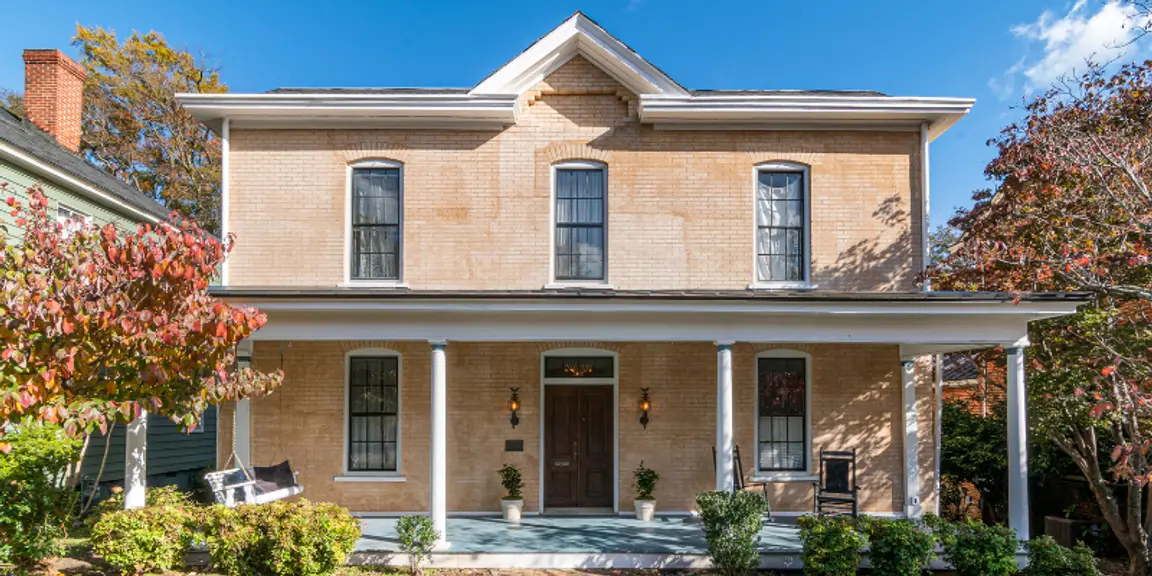

An old house carries a lot of history, and usually a list of things that need work. Maybe it was your parents’ place, or maybe you raised your own kids there and the kitchen still has the original tile. Either way, selling an old house in Chino brings up questions a newer home doesn’t. What will buyers find? How much do you have to tell them? Is it worth fixing anything first? This guide answers those questions plainly, so you can pick the path that fits your timeline and your budget.
What Counts as an Old House in Chino?
No law sets an age where a home becomes old. In practice, buyers and inspectors start treating a home differently once it passes about 40 years, because that’s when original systems tend to wear out. Homes built in the 1960s or 1970s may still have their first electrical panel, galvanized water lines or the original sewer pipe.
Chino has plenty of these homes. Neighborhoods closer to the city’s older center went up long before the newer tracts on the south side near The Preserve.
Age by itself isn’t the problem. What matters is what has been updated and what hasn’t. An old house with a newer roof, a copper repipe and an upgraded panel sells much like any other Chino home. One with all original systems sells to a smaller group of buyers, and usually for less.
Two dates deserve special attention. Homes built before 1978 trigger a federal lead paint disclosure, and many wood-frame homes built before 1980 sit on foundations that were never bolted to the frame. Both come up later in this guide.
Common Problems Buyers Find in an Old Chino House

Inspectors who walk an older Chino home tend to find the same handful of issues. Knowing them ahead of time takes the surprise out of the report.
Plumbing is the big one. Galvanized steel supply lines rust from the inside, which lowers water pressure and eventually leaks. Cast iron drain lines crack and can let roots in. Sewer camera inspections are common on an old house, and a damaged line to the street can run into real money.
Electrical comes next. Some panels from the 1960s and 1970s, such as certain Federal Pacific and Zinsco models, worry inspectors and insurers. Older homes may also have too few outlets, ungrounded circuits or aluminum branch wiring.
Roofs, termites and foundations round out the list. An aging roof can make insurance harder to get, which matters to any buyer using a loan. Termite damage is common in older wood framing. An unbolted raised foundation raises earthquake concerns for buyers across Southern California.
Asbestos and lead paint can also turn up in an old house from that era, usually in popcorn ceilings, old flooring and painted trim. Neither one means a home can’t sell. They simply shape who buys it and at what price.
A daughter selling her mother’s 1960s ranch house off Pipeline Avenue in Chino told me the inspection report ran to dozens of pages. Most items were small. The two that mattered were the original galvanized pipes and a roof with a few years left. Once she understood those two costs, the rest of the report stopped feeling so heavy.
What Chino Owners Must Tell Buyers About an Old House
California requires most home sellers to fill out a Transfer Disclosure Statement, and selling as-is doesn’t remove that duty. Every defect you know about has to be shared, even if you don’t plan to fix it. Buyers can still walk away or renegotiate based on their own inspection.
Older homes come with two extra disclosures.
Lead paint is the first. Under the federal lead-based paint disclosure rule, sellers of housing built before 1978 must share any known lead paint information and records. They also include a lead warning statement and give buyers the EPA pamphlet on lead hazards. Buyers get a 10-day period to run a paint inspection or risk assessment, unless they waive it in writing.
Plumbing fixtures are the second. California Civil Code section 1102.155 requires sellers of older single-family homes to disclose in writing whether the house has noncompliant plumbing fixtures. That means toilets, showerheads and faucets that use more water than current standards allow, which is common in an old house that was never updated.
State law also expects the water heater to be braced and smoke and carbon monoxide alarms to be in place. Those items show up on the standard forms Chino sellers sign during escrow.
When in doubt, disclose it. Leaving a known issue off the forms can cause far more trouble after closing than it would have caused during escrow.
Keep copies of everything you sign. If a question comes up after closing, a signed disclosure packet showing what you told the buyer is your best protection.
Should You Fix Up an Old House Before Selling in Chino?
Repairs make sense when they remove a lender or insurance roadblock, or when they cost far less than the value they add. Cosmetic upgrades rarely pass that test on an old house, and big projects almost never do.
Small fixes usually pay. Replacing a broken window, servicing the water heater or patching a roof leak can keep a buyer’s lender from flagging the property. Fresh paint and a deep clean help photos look better without much spending.
Large projects are riskier. Big-ticket items like a full repipe, a new roof or a panel upgrade can each cost thousands of dollars, and permits add time. You also carry the mortgage, taxes, insurance and utilities while the work drags on. Many owners of an old house in Chino find they spend more on a remodel than buyers will pay back.
Past unpermitted work deserves extra thought. If an earlier owner added a room or converted the garage without a permit, a buyer’s agent or lender may ask about it. Disclose what you know and get quotes before deciding whether to legalize it.
Ask yourself who the likely buyer is. A first-time buyer using an FHA loan needs a home that passes the appraiser’s safety check. An investor or contractor plans to gut the kitchen anyway, so new countertops add nothing to that offer. Fix for the buyer you’ll actually get, not the one in a magazine.
One good rule for Chino owners is to get two or three contractor bids on any big item. Then compare that cost to what it would trim off your price if you left it alone.
How to Price an Old House in Today’s Chino Market

Statewide, the median price of an existing single-family home was $886,760 in October 2026, and homes took a median of 29 days to sell, according to the California Association of Realtors. Those numbers describe homes in typical condition. An old house with original systems usually sells below the local median for its size.
Comparable sales matter more than any statewide figure. Look at Chino homes of similar age, size and condition that sold in the last few months. That remodeled home down the street is not a fair comparison for one with its original kitchen and plumbing.
Buyers mentally subtract repairs from the price. If an inspector flags a repipe and a new roof, many buyers knock off that amount plus a cushion for hassle. Pricing with those repairs already in mind tends to bring stronger offers and fewer renegotiations later.
Overpricing is the most common mistake I see in Chino. The house sits, the price drops, and buyers start to wonder what’s wrong with it.
Timing plays a smaller role than condition. Spring usually brings more buyers to Southern California, but an older home in rough shape won’t gain much by waiting, and every month adds another round of carrying costs.
Should You List an Old House With a Chino Agent?
Putting the home on the open market can bring the highest price when it’s in decent shape and you have time. An agent will market the property, hold showings and handle offers.
Expect a few extra steps with an older home. Buyers using FHA or VA loans face appraisal standards that flag peeling paint, roof problems and safety issues, which can force repairs before closing. Insurance can also be harder to place on a house with an aging roof or an outdated panel. A buyer who can’t get coverage often can’t close.
Commissions and closing costs come out of your proceeds, along with any repair credits you agree to after inspection. Add those up before you decide a listing will net more.
Listing works best when the home shows reasonably well, you can wait out a normal escrow, and you’re comfortable with buyers asking for repairs. Plenty of Chino sellers go this route and do well with it.
An As-Is Cash Sale for an Old House in Chino

Selling direct skips most of the hurdles that slow down a traditional listing. There’s no lender appraisal, no insurance hurdle for the buyer and no repair list to negotiate. You sell the home in its current condition and pick a closing date that suits you.
The tradeoff is price. Cash buyers who take on repairs pay less than a fully updated home would bring, because they carry the cost and risk of the work. For many owners of an old house, that trade is worth it, especially when the alternative is months of repairs and showings.
At Casey Buys Houses, we buy older homes as-is in Chino and the surrounding cities. We’ll walk the house with you, explain how we reached our number and show you what you’d net. Owners next door get the same simple process, since we also buy houses directly in nearby Ontario, CA.
Selling quickly is also worth a look if you’re behind on payments and weighing a short sale vs. foreclosure. Selling while you still have equity can leave you with more choices.
Taxes When You Sell an Old House You’ve Owned for Years
Long-time owners can have a large gain on paper. Plenty of Chino homeowners bought decades ago for a fraction of today’s value, and that gain becomes a real tax question when the house sells.
The IRS home sale exclusion lets a qualifying seller exclude up to $250,000 of gain, or $500,000 for a married couple filing jointly. Qualifying generally means you owned and lived in the home for two of the five years before the sale.
Money you’ve spent on improvements over the years raises your basis and lowers your gain. Dig out old receipts for a new roof, a room addition or a repipe before you file.
Inherited homes work differently. Heirs usually get a stepped-up basis to the value at the date of death, which often wipes out most of the gain on an old house. A tax professional can sort out which rules apply to you before you set a price.
Property tax works in your favor here. Thanks to Proposition 13, long-time Chino owners usually pay tax on a low assessed value. If you’re 55 or older, Proposition 19 may let you carry that low base to a replacement home elsewhere in California, which can make the next move more affordable.
When It’s Time to Leave a Long-Time Chino Home
Selling an old house is rarely just about money. Most long-time owners have decades of belongings, a garage full of tools and a yard someone planted by hand. Plan the move as carefully as the sale.
Start sorting early, and decide what goes to family, what gets donated and what you’ll leave behind. Many cash buyers, including us, let you leave unwanted items in the house, which can save weeks of cleanup.
A retired couple near Chino Avenue called us about the house they’d owned since the 1970s. They wanted to move closer to their grandkids, but fixing the roof and clearing forty years of storage kept them stuck. In the end they took what mattered, left the rest, and picked a closing date that matched their move.
Whatever route you take, give yourself a realistic timeline and a clear number for what you need to walk away with. That makes every other decision easier. Before you decide, take a look at how we buy old houses fast for cash as-is.
Old House Questions Chino Sellers Ask
Can I Sell an Old House in Chino Without Fixing Anything?
Yes. You can sell as-is through a listing or to a cash buyer. Known problems still need to be disclosed, and buyers using loans may ask for some repairs before closing.
Do I Need an Inspection Before Selling?
No. California doesn’t require a seller inspection. Some sellers order one anyway so they can price around the findings and avoid surprises in escrow.
Will a Buyer’s Lender Turn Down an Older Home?
Sometimes. Lenders and appraisers can flag safety items, roofs and failing systems, and those issues may need fixing before the loan funds. Cash buyers skip that step.
How Fast Can I Sell My House for Cash?
A cash sale can usually close in a couple of weeks, depending on title and your moving plans. Picking a later date works too if you need more time.
Ready to talk about your old house in Chino? Contact us or call (909) 455-9496 for a fair, no-obligation cash offer from Casey Buys Houses. We’ll give you a straight answer on what it’s worth as-is.
Helpful Chino Blog Articles
✓ 10 Things to Do Before Selling Your House in Chino, CA
✓ Mastering For Sale By Owner In Chino, CA
✓ Homeowners Insurance When Selling Your House In Chino, CA
✓ Sell Your House To A Developer In Chino, CA
✓ Selling Your House In Chino, CA, and Relocating Out Of State
✓ Affordable House Repiping Services In Chino, CA
✓ How To Successfully Sell Your Mortgaged House In Chino, CA
✓ Maximizing Equity: Selling Your Chino, CA, Home Successfully