
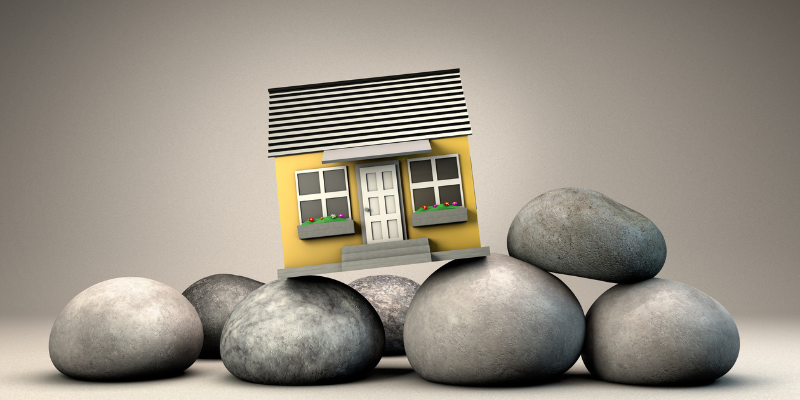
You’ve got cracks spreading across your living room wall like a spider web. Your bathroom door won’t close properly anymore. The hardwood floors in your Pasadena home suddenly slope toward the kitchen.
Sound familiar? You’re staring at foundation problems, and you need to sell your California home.
I’ll be straight with you. Foundation issues can reduce the resale value of a home by 10 to 15 percent. But here’s what nobody tells you: thousands of California homeowners successfully sell properties with foundation problems every single year. The key is knowing your options and making smart decisions about repairs, pricing, and who you sell to.
Soil Conditions and Foundation Problems in California Regions
Different parts of California have different foundation issues due to geology. By digging out a square of hard-packed clay and backfilling it with loose soil, many Northern California homes were built. The “clay bowl” effect results. During rainy seasons, water flows into loose soil and is trapped by hard clay. If the soil under your foundation becomes mud, your house will sink. Instead, hot summers dry and shrink the clay, pulling it away from the footing.
Expanding clay soils in the Central Valley and Southern California can cause foundation movement and cost $5,000–$15,000+ to fix. Foundations are stressed by these soils’ constant expansion and contraction.
The Bay Area has its issues. Houses on mud or reclaimed land settle and shift more easily. Foundation problems in San Francisco’s Victorian homes, many built on the 1906 earthquake cleanup fill dirt, require specialized attention.
The soil in Southern California is different. Caliche soil layers in deserts require specialized repair equipment. Hillsides from Malibu to the Hollywood Hills have slope stability issues that complicate and cost repairs.
Common Types of Foundation Problems in California Homes
Cracks in your home’s foundation can point to larger structural problems. Even small cracks should be checked carefully. Some cracks are normal and come from the house settling. Others may be a sign of soil movement or earthquakes, especially in California. If you see a crack, note its size, shape, and direction. This information can help you decide if repairs or soil checks are needed.
The most common foundation problems I see across California include the following:
● Settling and Sinking: Particularly common in areas with expansive clay soil or poor drainage. Your floors start sloping, doors stick, and you notice gaps around windows.
● Cracking: The “stair-step” crack in brick or stucco that looks like a set of stairs usually means one part of the footing is sinking while the rest stays put.
● Water Damage: Any noticeable water damage can indicate a bigger problem. It can lead to a faulty home foundation. Water seeps into floorboards, rotting wood and causing bacteria and mold to grow in crawl spaces and cause health problems.
● Pier and Post Issues: Common in older California homes with raised foundations. Wood posts rot, concrete piers crack, and steel supports corrode over time.
Earthquake Damage and Foundation Settlement Issues
California’s seismic activity creates ongoing foundation stress that homeowners in other states simply don’t face. California’s earthquake activity creates unique foundation challenges that directly impact repair costs.
Even minor earthquakes can cause foundation movement, leading to cracked stem walls, shifted pier foundations, separated sill plates, and damaged anchor bolts. This can be considered a condemned property in extreme cases due to the severity of the damage.
Pre-1960s homes face unique foundation challenges due to older construction methods and materials. These properties often lack modern seismic reinforcement and may require comprehensive updates costing $15,000-$50,000+.
The good news? Most of these issues are solvable. Whether it’s foundation underpinning (installing steel piers to reach stable soil deeper down) or poly-lifting (injecting foam to lift sinking slabs), modern engineering can stabilize almost any home.
Professional Foundation Inspection Services in California
Before making any decisions about selling, you need to know exactly what you’re dealing with. A general home inspector is not enough. You need a licensed structural engineer (SE or PE with structural certification) who can diagnose the root cause, recommend specific repairs, and produce a report that buyers, lenders, and appraisers will accept.
A structural engineer inspection costs $400-$800 in Los Angeles. The report typically takes 1-2 weeks to produce.
What to look for in a structural engineer: California PE or SE license (verify at bpelsg.ca.gov), experience with residential foundation issues in your county, willingness to produce a written report with repair recommendations, no financial relationship with repair contractors, and familiarity with your home’s construction type.
While a general inspector looks at the surface, structural engineers look at the stress points. They measure the elevation variance (how much the floor dips), check the crawl space for “efflorescence” (white powder indicating water intrusion), and assess if the crack is active (moving) or passive (settled).
Foundation Repair Contractors and Cost Estimation Guidelines
High-quality estimates determine sound selling decisions. Labor cost signifies the high California cost of living. Foundation specialists make $75-$150 hourly. The national average cost for specialists is $50-$80.
Regional cost differences abound:
● Bay Area: High labor costs exist in San Francisco, Oakland, and San Jose, which exceed the average for California by 40-60%. Simple foundation repairs that cost $5,000 in Fresno are priced at $7,000-$8,000 in San Francisco due to the high costs of premium materials and seismic constraints.
● Central Valley: Compared to the California average, Fresno, Modesto, and Stockton have lower prices (10-20% below). The agricultural areas of the San Joaquin Valley have soil remediation concerns and allow easy access for equipment.
● Southern California: Bay Area counties have high costs, Los Angeles County especially, while Riverside and San Bernardino counties have lower costs. The deserts have caliche soil layers requiring special equipment.
Because estimates are for highly regulated and inflexible construction standards, provision of engineering consultant services (estimated at $1,500-$3,000) for large repairs, and numerous inspections/permit fees are required, costs are high at completion. Insufficient construction access in the hills, potential environmental compliance, and high soil remediation costs are all estimable at 25-50% of the estimate.
Cost Analysis of Foundation Repairs Before Selling Your Home
Understanding repair costs helps you make informed decisions about whether to fix issues before listing or sell as-is. Here’s what you’re looking at in California:

● Minor Repairs: Small crack sealing represents the most common minor repair, typically costing $300-$1,000 for hairline cracks under 1/8 inch wide. Polyurethane injection for active cracks costs $400-$600 per linear foot. Waterproofing touch-ups, including surface sealants and minor drainage improvements, range from $500 to $1,500.
● Moderate Repairs: According to HomeAdvisor, the typical homeowner spends about $5,500 on foundation repairs. Minor fixes like crack sealing might cost as little as $250-$800, while full pier installations can hit $10,000-$25,000.
● Major Structural Work: Foundation repair costs in the Bay Area range from $5,000 to $50,000+. Minor concrete stem wall repair: $3k-$8k. Full foundation underpinning services: $10k-$30k. Floating foundation fixes: $15k-$50k.
● Complete Replacement: Full Foundation Replacement: Rare but necessary for severe damage. Cost: $20,000-$100,000+.
● Several factors affect your final bill: Basement foundations cost more to repair ($10,000+) than slab-on-grade ($2,000-$10,000). Older homes (pre-1980) often have weaker materials, increasing complexity and price by 20-30%. Home size and foundation complexity, soil conditions and drainage requirements, and local permit and inspection requirements all impact costs.
Pre-sale Foundation Repair Investment Return Analysis
Here’s the million-dollar question: Should you fix foundation problems before selling? In most LA neighborhoods, spending $30,000 on foundation repair before listing recovers $60,000+ in sale price.
A home with a certified structural repair and a warranty often sells for full market value. It removes the “fear factor” for buyers and qualifies the home for FHA/VA financing.
But it’s not always that simple. Consider these factors:
● Your Timeline: Foundation repairs can take weeks or months. If you need to sell quickly, repairs might not be practical.
● Your Budget: If you cannot afford the $10,000-$20,000 repair, you can price the home below market value. However, realize that you are shrinking your buyer pool to cash investors or those with specialized renovation loans.
● Market Conditions: In hot seller’s markets, buyers might be more willing to take on foundation issues. In buyer’s markets, you’ll likely need to address problems or price aggressively.
● Extent of Damage: Minor cosmetic issues might not warrant expensive repairs. Major structural problems often do.
Timeline Considerations for Foundation Repairs vs Quick Sales
Time is often a critical factor in selling decisions. Here’s what you’re looking at:
● Foundation Repair Timeline: Minor jobs take 1-2 days; major piering, 3-10 days. But that doesn’t include getting permits (2-6 weeks in many California cities), scheduling contractors (often 2-8 weeks out), inspection delays, and weather delays during the rainy season.
● Traditional Sale Timeline: After repairs, you’re looking at listing preparation (1-2 weeks); the median days on the market were 37 days for California homes; and escrow and closing (30-45 days).
● As-Is Sale Timeline: Selling to cash buyers like Casey Buys Houses can close in 1-3 weeks without repairs, inspections, or financing delays.
A homeowner in Long Beach was quoted $48,000 for foundation repairs. Instead, they sold it as-is to a local cash buyer and closed in 12 days with no repairs, no inspections, and no permits.
Legal Disclosure Requirements for Foundation Defects in California
California has some of the strictest disclosure laws in the country. Under California Civil Code § 1102, sellers of single-family homes are required to complete a Transfer Disclosure Statement (TDS). This document is not optional. It asks you specifically if you are aware of any significant defects/malfunctions in the “home foundation or support system.”
In California, a material fact is anything that would affect the value or desirability of the property. Foundation problems clearly qualify.
Key disclosure requirements: You must disclose what you actually know about foundation problems. Selling “As-Is” simply means you are not agreeing to fix the defects before closing. It does not exempt you from the legal requirement to disclose them. You can sell a house with a crumbling foundation “as-is,” but you must tell the buyer it is crumbling. If you fail to do so, the “As-Is” clause will not protect you in court. Previous repairs must also be disclosed, and professional inspection reports should be shared with potential buyers.
If you know about foundation problems and fail to disclose them, you are exposing yourself to lawsuits that can drag on for up to three years after the sale closes.
Property Disclosure Forms and Foundation Problem Documentation
Proper documentation protects you legally and builds buyer confidence. Obtain professional inspections, repair estimates, and documentation to support negotiations and build buyer trust.
Essential documents include the Transfer Disclosure Statement (TDS) required by law, the Natural Hazard Disclosure (NHD) report, the structural engineer’s report, repair estimates from licensed contractors, photos documenting the current condition, and any previous repair records or warranties.
A third-party NHD report identifies whether your property sits in an earthquake fault zone, liquefaction zone, or landslide hazard area. In the Hollywood Hills, Mt. Washington, and San Gabriel Mountain foothills, NHD reports frequently flag seismic and landslide hazards tied to foundation risk.
Honestly, most agents won’t tell you this, but complete documentation actually helps your negotiating position. Buyers appreciate transparency and are more likely to move forward if they understand exactly what they’re getting.
Insurance Claims and Foundation Damage Documentation
Sometimes, after ongoing degradation, poor maintenance, major weather events, or even just the wear and tear of the passing years, you finally decide to do something about the foundation issues. And that is the point: you discover your homeowners’ insurance policy that you have been paying for all these years doesn’t cover the type of foundation issues your home has developed.
Standard homeowners’ insurance typically does not cover foundation repair caused by settling, shifting soil, or normal wear. Insurance may cover foundation damage from a covered peril like a burst pipe, fallen tree, or natural disaster. Flood-related foundation damage requires separate flood insurance. Always document damage and get a structural engineer’s assessment ($300-$800) before filing a claim.
If you do have a legitimate insurance claim, document everything with photos and videos, get professional assessments immediately, don’t delay filing (most policies have strict time limits), keep all receipts for temporary repairs, and work with your insurance company’s preferred contractors if possible.
Even if insurance doesn’t cover repairs, proper documentation helps establish the timeline and cause of damage for potential buyers.
Foundation Issues Impact on California Real Estate Market Values
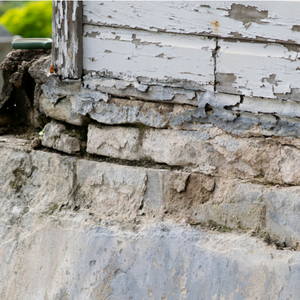
Home prices in California have increased 0.7% in March 2026 compared to March 2025. Entry prices have leveled out to $854,700. There was a 2.9% increase in the number of homes sold, totaling 23,540 sold in March.
Foundation problems present both challenges and opportunities in this competitive environment. Due to the high cost of repairs, this leads to depreciation in property value and longer times in selling.
Foundation problems present a value loss in the market that can remain unnoticed. Most sellers will buy a home with minor issues, though major problems will remain a constant issue that depreciates value. Los Angeles County has steady appreciation and inelasticity with median prices in the range of $790,000 to $820,000 annually, a 9% increase. The Central Valley market is inelastic and sensitive to home sales price reductions. San Diego is becoming a strong market as a buyer’s market even though structural problems will cause homes to remain unsold.
Homes that have foundation problems will sell for 20% to 50% less than the retail price of the home, depending on the severity of the market and foundation concerns.
Market Pricing Adjustments for Foundation-Damaged Properties
Home valuation when foundation damage is present is not straightforward. In Los Angeles, home foundation repair can be 1%-3% of the home’s value.
Here’s how to approach pricing:
● Conservative Approach: When pricing, in addition to buyer risk and negotiation range, deduct the full repair cost and add a 10%-20% margin from the sales of comparable properties.
● Aggressive Approach: Price by deducting, and letting buyers appreciate the price difference, by 50%-75% of the repair cost.
● Market-Based Approach: Find recent sales prices of properties in the same neighborhood that have foundation issues or damage. Casey Buys Houses can provide sales price comparison and other data.
● Consider these pricing factors: Also, take into account the pricing and valuation of the home, the market, the damage, and the other distressed properties in the market.
Real Estate Agent Strategies for Foundation Problem Listings
Working with an experienced agent who understands foundation issues makes a huge difference. Look for agents who have sold other properties with foundation problems, understand local disclosure requirements, can recommend qualified inspectors and contractors, know how to market properties with structural issues, and have relationships with investors and cash buyers.
Marketing strategies that work: Transparency (lead with honest disclosure and professional assessments), value positioning (emphasize lot value, location benefits, and potential after repairs), investor targeting (market to flippers and renovation specialists), and price positioning (price to attract multiple offers from qualified buyers).
Foundation repairs in San Francisco don’t significantly raise a home’s value, but they help preserve it by addressing issues that make buyers hesitate, like cracks, settlement, and signs of structural instability. In a market where seismic safety and structural soundness are closely scrutinized, documented repairs provide assurance that the property is stable and compliant with local expectations.
Buyer Financing Challenges with Foundation Problem Properties
Most lenders won’t finance conventional mortgages for houses with severe structural problems (like foundation issues). However, some select mortgage programs allow home buyers to finance distressed properties with foundation issues.
Financing challenges include FHA loans often requiring repairs before closing, VA loans having strict structural requirements, conventional loans possibly requiring an engineer’s sign-off, and appraisers may flag safety concerns.
Another option is to target buyers seeking rehabilitation loans, such as an FHA 203(k). These loans are for properties requiring significant restoration, including residential foundation repair.
This financing reality significantly impacts your buyer pool and sale strategy.
Cash Buyers vs Traditional Financing for Problem Foundations
I’ve sold many. But they can’t be financed. A cash buyer will either do minimal repairs like filling and leveling the cracks in the slab and then renting it out (cosmetic repairs) or lifting the house and pouring a new foundation after doing some soil work.
Cash buyers offer several advantages: no financing delays or complications, faster closing timelines, willingness to purchase in as-is condition, less likelihood of renegotiation after inspection, and ability to close even with significant structural issues.
Selling “as-is” to cash buyers or investors can simplify and expedite the sale process. Companies like cash home buyers in Chino, CA, specialize in purchasing properties with foundation problems, offering homeowners a straightforward alternative to traditional sales.
The tradeoff is typically price. Cash buyers need a margin for repairs and profit, so expect offers 10-30% below market value, depending on the extent of repairs.
Negotiating Purchase Agreements with Known Foundation Issues
Once you receive offers on a property with foundation problems, negotiation becomes crucial. Offering repair credits or adjusting the price for foundation repairs can attract more buyers despite existing issues.
Negotiation strategies include repair credits (offer credits at closing rather than completing repairs yourself), price reductions (a clean discount off the asking price based on repair estimates), warranty options (provide home warranties covering other systems to offset foundation concerns), inspection periods (allow longer inspection periods but require non-refundable deposits), and as-is clauses (clearly define what “as-is” means in your specific situation).
For many sellers, certainty and speed outweigh maximizing price. A family in San Bernardino inherited a home with foundation settlement and cracking walls. Repair estimates ranged from $32,000 to $55,000, and the house also needed electrical updates. Instead of repairing everything, they sold as-is to a cash buyer, closed in two weeks, and avoided six months of uncertainty and construction headaches.
Foundation Warranty Options for California Home Sales
Warranties can be a point of concern and flexibility for home buyers and home sellers, respectively. They include:
● Structural Warranties: Foundation repair companies can offer Colorado transferable warranties for their work. They use hydraulic equipment and warranties (10-25 years). Lifetime Guarantees. These warranties add value and come as no additional cost.
● Home Service Warranties: Foundation issues are less concerning due to home systems warranties.
● Builder Warranties: For relatively new houses with foundation issues, builder warranties can still be applicable.
● Third-Party Warranties: Structural warranties are offered through some companies without doing the repairs.
Warranties foster buyer confidence, but they do not discourage the need for adequate disclosures and realistic prices.
Selling As-is Properties with Structural Foundation Defects
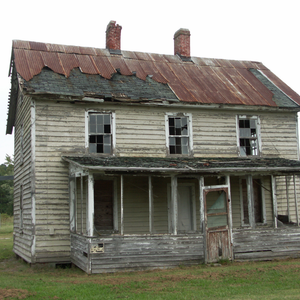
Selling a house as-is frees you from structural liability with a lesser financial impact. Repairing structural problems can be frequently cost-prohibitive.
Selling as-is can result in the best financial options when you can’t do repairs and the repairs exceed 15-20% of the home’s value, extensive repairs compete against expensive timelines, the repairs extend beyond the foundation, or there is a lot of activity in the local investor market.
If you sell the home as-is, you can list it, disclose it, and sink the price low. Expect a longer time period from listing to sale and a lower sale price. For many homeowners, an as-is listing is the least expensive and the least stressful option.
Alternative Selling Methods for Foundation Problem Properties
Traditional MLS listing isn’t your only option. Selling a home with foundation issues through the MLS is possible, but it comes with challenges. Most traditional buyers rely on mortgage financing. If a home has foundation problems, it often fails inspection or appraisal, causing the lender to deny the loan. A seller in Torrance accepted two offers on the MLS. Both deals fell apart after inspections revealed foundation cracking and soil movement concerns. The house sat on the market for five months.
Alternative methods include:
● Direct Cash Buyers: Companies like We Buy Houses in California specialize in purchasing homes with foundation problems. They can often close within 2-3 weeks without repairs or financing contingencies.
● Real Estate Auctions: Absolute or reserve auctions can generate competitive bidding among investors.
● Wholesaling: Sell to wholesalers who assign contracts to end buyers.
● Owner Financing: Offer seller financing to expand your buyer pool.
● Lease Options: A lease with an option to purchase allows tenants to address repairs over time.
Each method has different timelines, costs, and expected sale prices. The right choice depends on your specific situation and priorities.
Frequently Asked Questions
How Hard Is It to Sell a House with Foundation Issues?
Selling a house with foundation issues is possible. How you sell, who you sell to, and what you disclose will greatly impact your outcome. Setting a realistic timeline, price, and buyer pool expectations is key. Disclosure and pricing can overcome foundation issues and boost sales.
What Devalues a House the Most?
Foundation issues can lower a home’s resale value by 10–15%, but they’re not the worst. Market conditions, location, and property condition all matter. Many buyers in California’s competitive market can overlook foundation concerns with a good location.
Is a House with Foundation Problems Safe?
The severity and type of foundation problems affect safety. Safety is rarely threatened by minor settling and cracks. However, structural movement, large cracks, and foundation failure can pose safety risks. A licensed structural engineer can assess your situation if you’re unsure.
How Much Do Home Foundation Repairs Cost?
Foundation repair costs in 2024 range from $2,300 to $8,500, with most people paying $5,100. An occasional crack may cost $300 to $900. But piers or major stabilization could cost $15,100 or more if your foundation is really damaged. Labor, seismic, and permit costs raise California costs.
Selling a California home with foundation issues isn’t catastrophic. Hundreds of homeowners have come to me with similar issues. You can repair, sell, or contact Casey Buys Houses.
Your situation, timeline, and financial goals should guide your decisions. Be proactive despite foundation issues. Waiting increases costs, stress, and uncertainty.
We’re here to discuss options. No obligation, no stress. Simply honest advice from someone who’s seen it all and can help California homeowners move forward despite a flawed foundation.
Helpful California Blog Articles
✓ How to Handle Squatter Removal in California
✓ Selling a House with Delinquent Property Taxes in California
✓ Do Open Houses Still Work When Selling a Home in California?
✓ Can California Home Sellers Legally Back Out of Real Estate Contracts
✓ Selling Your California Home With Foundation Problems
✓ How to Sell a Condemned House in California
✓ How Long to Move Out After Foreclosure Auction in California
✓ How to Sell a House that Needs Repairs in California
✓ How To Sell Your House With A Lien In California
✓ How To Sell A Hoarder House Fast In California
✓ How To Sell A Probate House In California
✓ How Long Does It Take To Sell A House In California